


-
Specifications
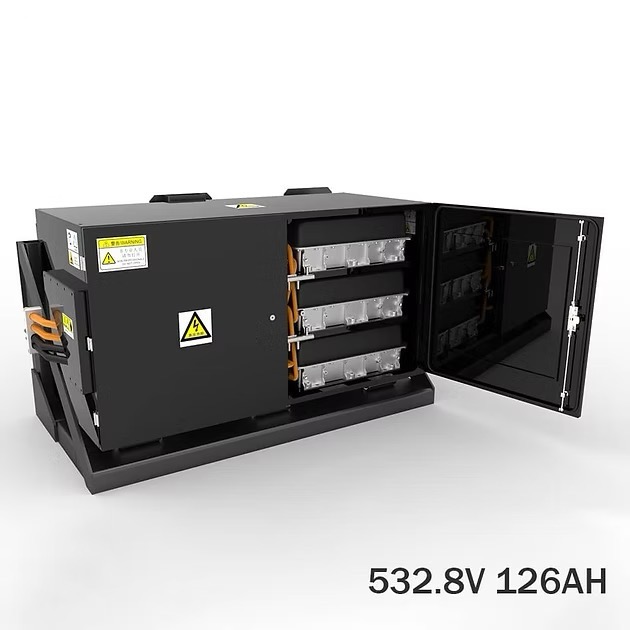
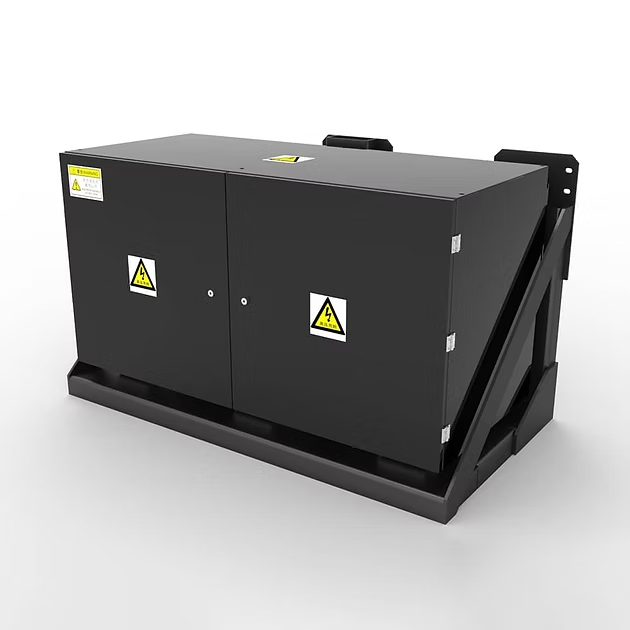
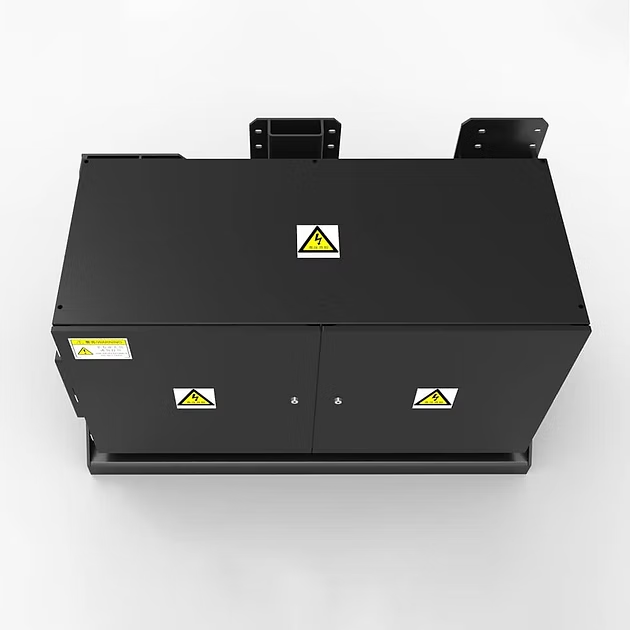
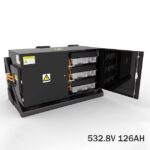
Item Specification Remark Nominal capacity 126Ah @25℃,±5% Nominal voltage 532.8V Charging limiting voltage 604.8V Discharging limiting voltage 403.2V Nominal energy 67.1Kwh Weight 440Kg Constant charging current 200A cooling with air conditioner Constant discharging current 200A Peak discharging current 400A 10s,@50%SOC Ingress protection IP67 Working temp range Charging: 0℃~55℃ Discharging:-20℃~55℃
The Electric Specialty Vehicle Battery System
Introduction
In a world where technology is evolving faster than ever, electric vehicles (EVs) are paving the way for a greener, more efficient future. But while electric cars often steal the spotlight, there’s another category of vehicles that’s rapidly gaining momentum—the Electric Specialty Vehicle Battery System. This innovative power solution is designed specifically for vehicles that serve unique roles in various industries, from airport ground support vehicles to specialized mining equipment and even military applications.
The Electric Specialty Vehicle Battery System isn’t just another standard battery pack. It’s a powerhouse engineered to meet the high demands of specialized vehicles, offering long-lasting performance, energy efficiency, and reliability. So, how exactly does this system work, and why is it so important for the future of these specialized vehicles? Let’s dive into the details of this exciting technology and explore how it’s transforming industries worldwide.
What is the Electric Specialty Vehicle Battery System?
As the name suggests, the Electric Specialty Vehicle Battery System is designed specifically to power electric vehicles used in specialized applications. Unlike standard electric cars, these vehicles often require more robust power sources to meet the demands of their specific tasks—whether it’s towing heavy loads, operating in extreme environments, or enduring long operating hours.
The battery system is engineered to deliver consistent, high-capacity power while being efficient enough to handle the rigorous demands of these specialty vehicles. It’s designed with safety and durability in mind, providing long-lasting performance even under extreme conditions. Whether the vehicle is working in freezing temperatures, extreme heat, or dusty mining sites, the Electric Specialty Vehicle Battery System ensures the vehicle performs reliably throughout its lifecycle.
Key Features and Specifications of the Electric Specialty Vehicle Battery System
Let’s take a closer look at the technical specifications of the Electric Specialty Vehicle Battery System to understand what makes it such a powerful and efficient energy solution for specialized vehicles.
-
Nominal Voltage: 532.8V
-
Nominal Capacity: 126Ah
-
Nominal Energy: 67.1kWh
-
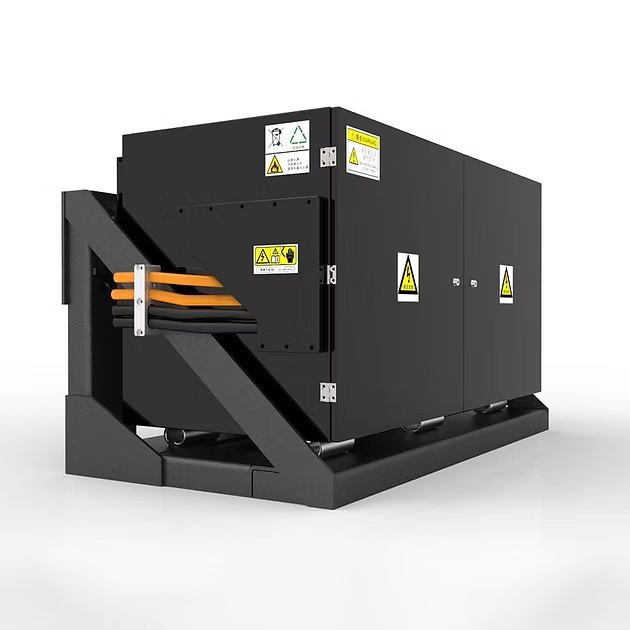
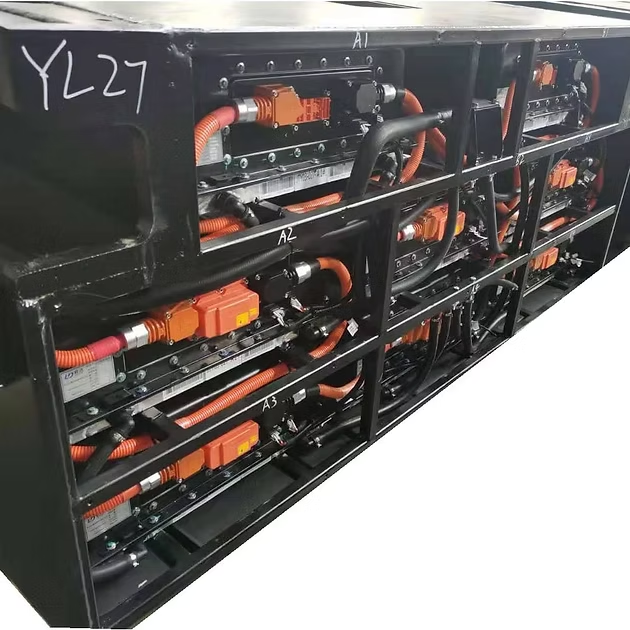
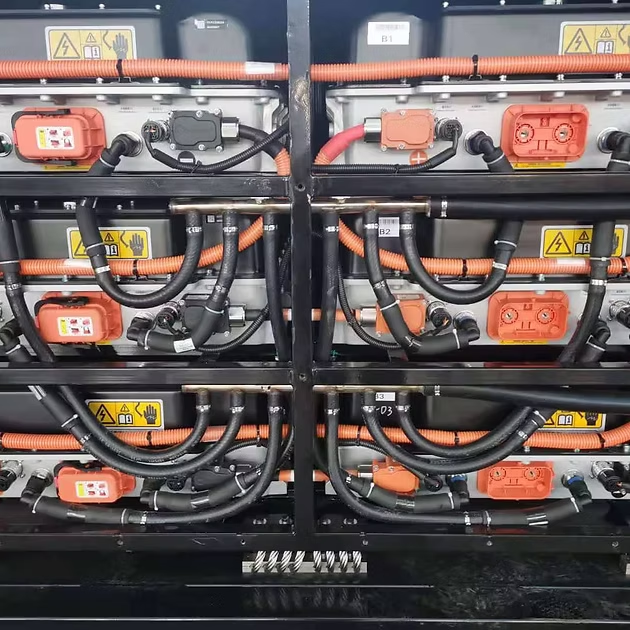
Standard Case Number: 2 HV-C + 1 PDU
-
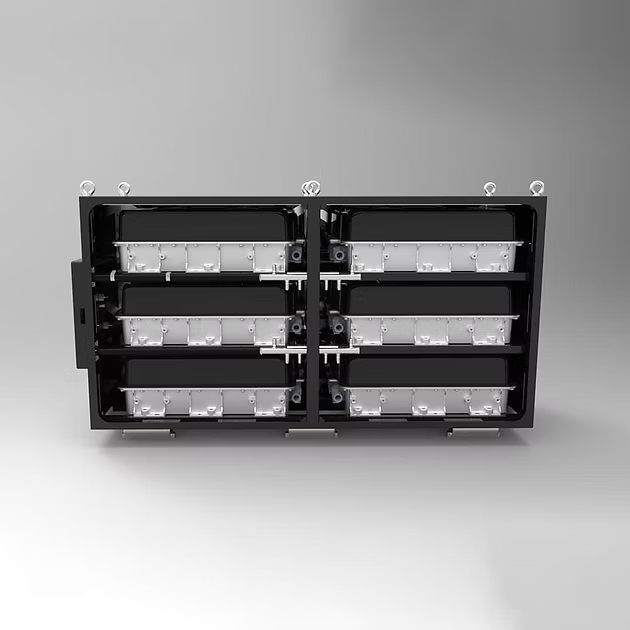
Pouch Cell Type: NCM 21Ah
-
Configuration: 144S6P
-
Max Constant Charging Current: 200A
-
Max Constant Discharging Current: 200A
-
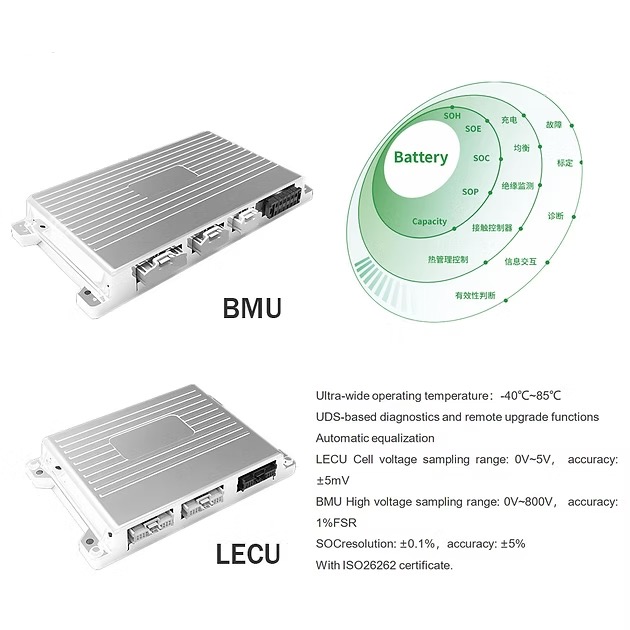
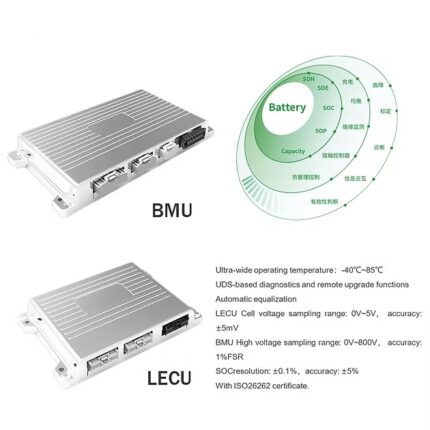
Functional Safety BMS: Yes
-
Life Cycle: 4000 charge/discharge cycles
-
Working Temperature Range:
-
Discharge: -20°C to 55°C
-
Charging: 0°C to 55°C
-
These numbers are more than just technical jargon—they tell the story of a system that’s engineered for longevity, safety, and high performance. Let’s break down these features to see what each one brings to the table.
What Makes the Electric Specialty Vehicle Battery System Stand Out?
You might be wondering, “What’s so special about this battery system?” Great question! While there are plenty of electric vehicle battery systems out there, the Electric Specialty Vehicle Battery System has a few key characteristics that set it apart from the crowd. Let’s take a closer look at why this system is truly in a class of its own.
1. Designed for High Demands
Specialty vehicles are built to perform tasks that are often outside the scope of regular vehicles. These vehicles work long hours in tough conditions, so their battery systems must be able to keep up. The Electric Specialty Vehicle Battery System is designed with just that in mind.
-
High Capacity: With a nominal capacity of 126Ah and 67.1kWh of energy, the system delivers plenty of power to support demanding operations for extended periods.
-
Max Charging/Discharging Current: The system can handle 200A for both charging and discharging, which ensures that the vehicle gets the power it needs when it’s required most.
2. Built for Extreme Conditions
From airports to construction sites to military operations, specialty vehicles often operate in environments that are anything but average. Whether it’s sub-zero temperatures, sweltering heat, or harsh terrain, the Electric Specialty Vehicle Battery System is designed to perform in these extreme conditions.
-
Temperature Tolerance: The system can handle temperatures as low as -20°C for discharging and up to 55°C for both charging and discharging. This makes the system ideal for a variety of industries with diverse operational environments.
3. Long-Lasting and Cost-Effective
Battery longevity is a crucial consideration for industries that rely on specialty vehicles. No one wants to be dealing with battery replacements or frequent maintenance every few years. Fortunately, the Electric Specialty Vehicle Battery System is built to last, offering a long cycle life of 4000 charge/discharge cycles.
-
Extended Lifespan: With 4000 cycles, the system provides years of reliable service, which translates to lower operational costs and fewer disruptions due to battery failures.
4. Safety First: Functional Safety BMS
Safety is always a priority when dealing with high-power systems, and the Electric Specialty Vehicle Battery System is no exception. This system is equipped with a Functional Safety BMS (Battery Management System), ensuring that the battery pack operates safely throughout its entire lifecycle.
-
Key Safety Features:
-
Overcharging and Overdischarging Protection
-
Temperature Monitoring
-
Cell Balancing
-
Fault Detection and Mitigation
-
With these safety features, the Electric Specialty Vehicle Battery System minimizes the risk of issues like overheating, short circuits, or capacity degradation, ensuring the vehicle remains safe and functional at all times.
Why Is the Electric Specialty Vehicle Battery System Important?
As industries continue to focus on sustainability and cost-effectiveness, the Electric Specialty Vehicle Battery System is becoming an increasingly important component of modern operations. Let’s explore why this technology is essential and how it’s making a difference across industries.
1. Environmental Impact: Reducing Emissions
One of the most significant benefits of electric vehicles is their ability to reduce emissions. By shifting from diesel-powered specialty vehicles to electric ones, industries can drastically lower their carbon footprints. The Electric Specialty Vehicle Battery System plays a key role in this transition.
-
Cleaner Energy: By powering vehicles with electricity instead of fossil fuels, the system helps reduce harmful emissions, contributing to cleaner air and a healthier environment.
2. Cost Savings Over Time
While the initial investment in electric specialty vehicles and their battery systems can be higher, the long-term savings are undeniable. The Electric Specialty Vehicle Battery System reduces reliance on fossil fuels, which means lower operational costs.
-
Lower Fuel Costs: Charging an electric vehicle is much cheaper than filling up with diesel or gasoline, resulting in significant savings over time.
-
Reduced Maintenance Costs: Electric motors require less maintenance than their diesel counterparts, and the battery system is designed to last for thousands of cycles, further reducing maintenance expenses.
3. Enhanced Performance
Electric vehicles are known for their superior performance, and the Electric Specialty Vehicle Battery System is no exception. The system provides consistent, reliable power, ensuring that specialty vehicles can perform their tasks with precision and efficiency.
-
High Power Output: The system’s ability to handle 200A for both charging and discharging ensures that the vehicle always has the power it needs to perform demanding tasks.
FAQs
1. How long will the Electric Specialty Vehicle Battery System last?
The Electric Specialty Vehicle Battery System has a life cycle of 4000 charge/discharge cycles, providing reliable performance over several years.
2. How much energy does the system provide?
With a nominal energy of 67.1kWh, the system offers more than enough power to handle the needs of specialty vehicles in demanding applications.
3. Is the Electric Specialty Vehicle Battery System safe?
Yes, the system is equipped with a Functional Safety BMS, which ensures safe operation by monitoring key parameters like temperature, voltage, and current.
4. Can the system operate in extreme temperatures?
Yes, the Electric Specialty Vehicle Battery System can operate in temperatures ranging from -20°C to 55°C for discharging and 0°C to 55°C for charging, making it suitable for a wide range of environments.
Conclusion
The Electric Specialty Vehicle Battery System is a game-changer for industries that rely on specialized vehicles to get the job done. By combining high performance, safety, and sustainability, this battery system is helping companies save money, reduce emissions, and improve overall efficiency. As industries continue to embrace electric solutions, the Electric Specialty Vehicle Battery System will play a crucial role in powering the vehicles of tomorrow—one charge at a time.
The future is electric, and the Electric Specialty Vehicle Battery System is leading the charge.


Reviews
There are no reviews yet.